Bunny Breaths: Not just for preschoolers!
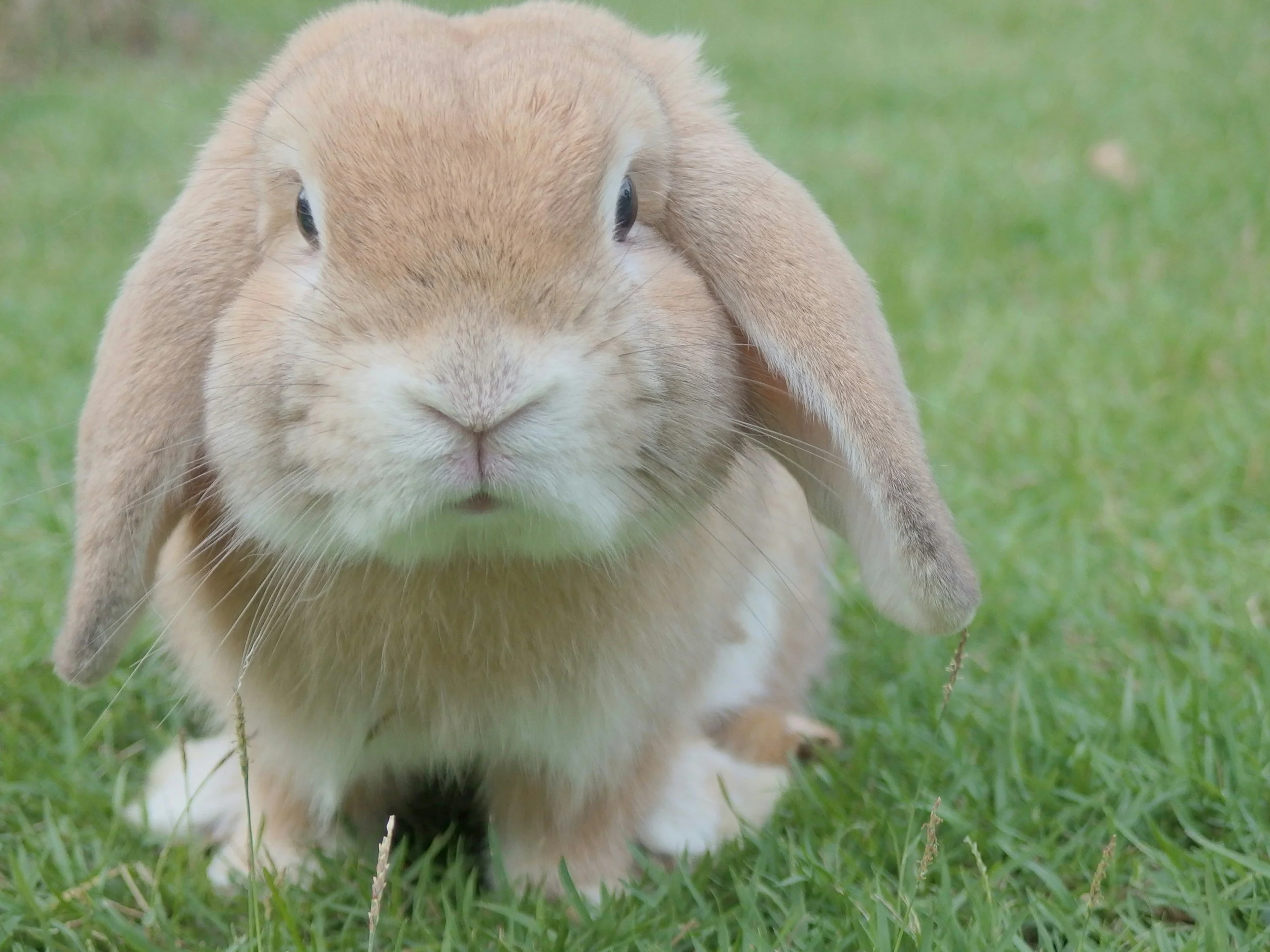
If you’re ever in need of some quick calm-down skills, I recommend consulting with a trusted preschooler. More and more, early childhood educators are prioritizing helping kids recognize stress and practice ways to regulate, building skills that will serve them well in the long term. If your preschool didn’t teach this, or you need a refresher on how to de-escalate anxiety, keep reading!
When you’re anxious, overwhelmed, or emotionally activated, your body often reacts before your mind does. Your heart beats faster, your muscles tense, and your breathing becomes quick and shallow. When you’re in an activated state, it becomes difficult to think clearly or calm yourself down.
One of the most effective ways to help your body settle is also one of the simplest: Bunny Breaths.
Bunny Breaths are often taught to young children because they are a simple and effective skill to relieve anxiety. While they sound super cute, they are, in fact, an excellent nervous system regulation tool for people of all ages. Whether you’re preparing for a stressful meeting, trying to calm a child after a meltdown, or simply feeling overwhelmed, Bunny Breaths can help bring your body (and your mind) back to a calmer state.
What Are Bunny Breaths?
Bunny Breaths are exactly what they sound like: you pretend you’re a bunny sniffing the air.
The technique is simple:
Take three quick, gentle sniffs in through your nose, just like a curious bunny.
Then take one long, slow breath out through your mouth.
Repeat this sequence three to five times.
Why Bunny Breaths Work
When we’re anxious or dysregulated, our breathing naturally becomes shallow and rapid. This sends a message to the brain that something may be wrong, keeping our stress response activated. Bunny Breaths interrupt that cycle. You’ve likely experienced this naturally if you’ve ever cried and noticed yourself involuntarily taking many short breaths when you inhale; this is your body’s way of engaging this technique to return to a regulated state.
The quick nasal sniffs encourage children and adults to focus their attention on their breathing, while the long, slow exhale activates the body’s parasympathetic nervous system, which is the part of the nervous system responsible for rest, recovery, and emotional regulation. That long exhale is especially important. It signals to your brain: “I’m safe.”
As your breathing slows, your heart rate often slows as well. Muscles begin to relax, and your mind becomes better able to think clearly and solve problems.
Teaching Ourselves That Feelings Are Safe
One of the greatest benefits of Bunny Breaths is that they convey an important life lesson:
Big feelings don’t have to be feared; they can be managed.
Instead of trying to make feelings disappear, Bunny Breaths remind us that we have tools to help our bodies feel calmer. This builds confidence, resilience, and emotional self-regulation over time (for kids and adults alike).
Practice Before You Need It
Like any skill, Bunny Breaths become more effective with practice.
Try practicing them:
During calm moments
Before bedtime
In the car on the way to school
As part of your daily routine
The more familiar the technique becomes, the easier it is to use during stressful moments. Think of it like practicing a fire drill: you don’t wait for the emergency before learning what to do.
How Therapy Can Help
Bunny Breaths are a fantastic self-regulation tool, but they’re just one part of building emotional resilience.
Therapy can help children and adults develop larger toolkits for managing emotions. Through therapy, we learn healthy ways to identify and express feelings, build emotional awareness, and develop confidence in our abilities to cope. In turn, parents and caregivers can learn practical strategies for responding to anxiety, meltdowns, and challenging behaviors in ways that strengthen connection and help children feel safe and understood.