Helping Kids Through Anxious Feelings
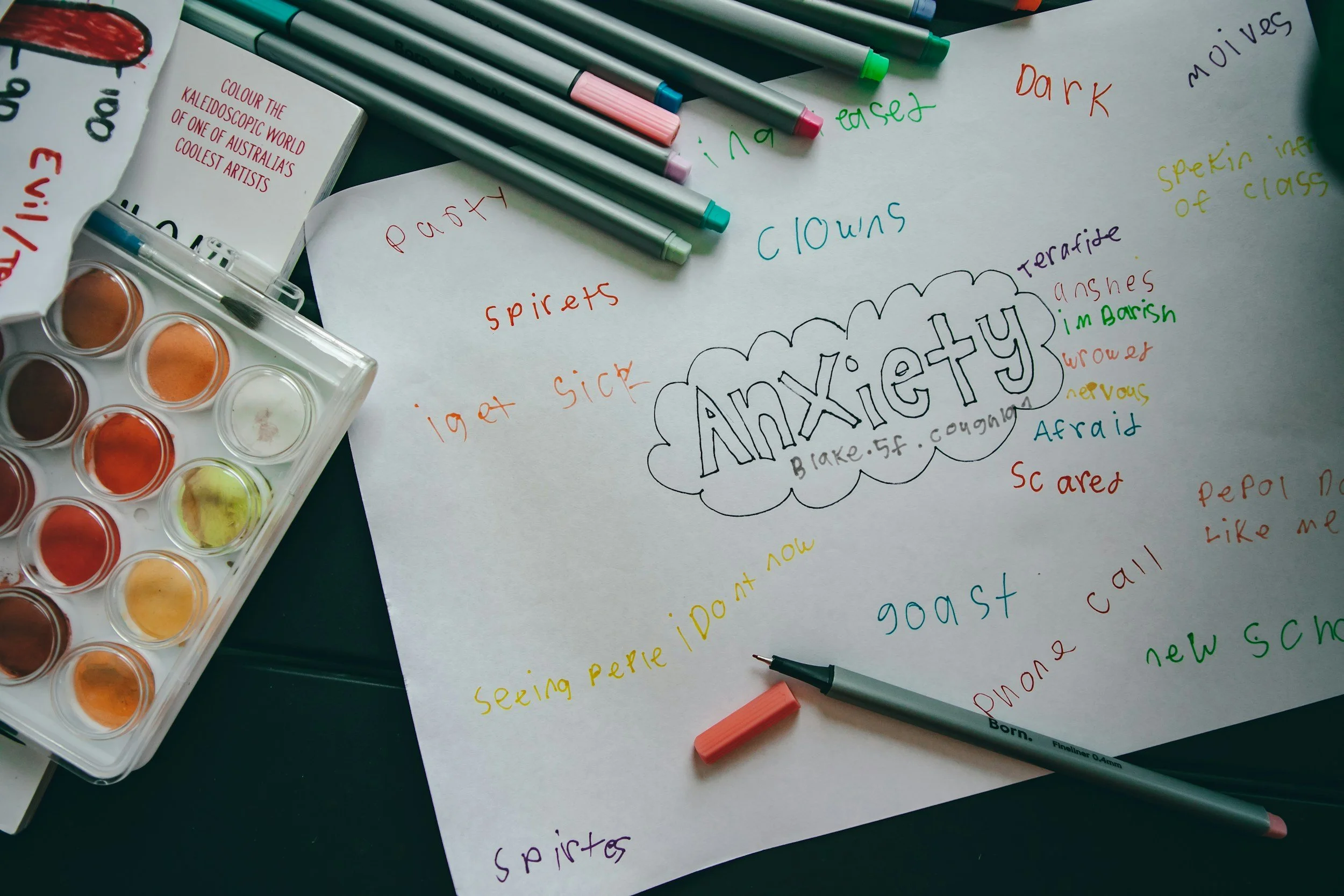
Anxiety is one of the most common emotional experiences in childhood, and one of the most misunderstood. We’re here to help break it down. Many parents are surprised to learn that anxiety in kids doesn’t always look like nervousness or worry. And boy, can this be confusing, frustrating, and easy to miss. Understanding how anxiety might be presenting itself in your child can help you respond with empathy and confidence, rather than fear or frustration.
What Even Is Anxiety?
Anxiety is our brain’s way of keeping us safe. When a child senses danger, whether it’s real or imagined, their nervous system goes into protection mode. This internal alarm system is incredibly important and helpful… when there is true danger. For example, it’s the same system that pulls your child’s hand away from a hot stove and makes them stop and look before crossing the street. In these moments, the alarm system is doing exactly what it’s meant to do.
Anxiety becomes problematic when that alarm system is extra sensitive, going off too loudly and too often, even when your child is safe. When the brain has trouble telling the difference between real danger and perceived danger, everyday situations can really start to feel overwhelming.
Why Does Anxiety Look So Different in Kids?
Because children do not yet have the language, emotional awareness, or perspective that adults do, anxiety often shows up indirectly. Instead of saying outright, “I feel anxious,” kids express anxiety through behavior, physical sensations, or big emotional reactions. This is why anxiety is so often misunderstood as defiance, or “being dramatic.” In reality, it’s a nervous system that’s working overtime.
Yes, the Monster in the Closet Counts
If you have a child under the age of 10, I’m guessing that you’ve checked the closet or under the bed for monsters at least once. You know there are probably no monsters hiding there, but your child insists there are. That fear is very real to them.
Fears of monsters, intruders, or “something bad happening at night” are a common way anxiety shows up in kids, especially those who are sensitive, imaginative, or big thinkers. Bedtime is often when anxiety gets louder — kids are tired, the house is quiet, and their imaginations have more room to go wild. This doesn’t automatically mean something is “wrong.” What’s really important is to pay attention to how intense the fear feels, how long it lasts, and whether it interferes with sleep or daily functioning.
Other Common Ways Anxiety Shows Up in Kids
Anxiety doesn’t look the same for every child. Other things to look for from your kid are:
Excessive “what if” thinking.
Difficulty separating from caregivers
Avoidance that looks like defiance
Perfectionism or fear of making mistakes
Somatic complaints
Irritability or emotional exhaustion
If you notice any of these signs, take a deep breath, and understand that these behaviors aren’t intentional; they’re signals that your child’s nervous system is overwhelmed. There are things that you and we can do to help.
When Should Parents Be Concerned?
Look, many worries and fears are very developmentally appropriate. But, it may be helpful to seek extra support when anxiety:
Interferes with sleep, school, or friendships
Leads to increasing avoidance
Shows up frequently through physical symptoms
Begins to run family routines
How Therapy Can Help
Sometimes parents are surprised to learn that we are not trying to get rid of your child’s anxiety. What I mean by that is, therapy for anxious kids isn’t about eliminating fear, it’s about helping children understand their feelings, build coping skills, and feel confident navigating discomfort.
At Beacon Hill Therapy, we work with children in developmentally appropriate, engaging ways to help them:
Understand what’s happening in their bodies
Build emotional language
Learn how to calm their nervous systems
Separate themselves from anxious thoughts
Feel supported, not “fixed”
Anxiety in kids often shows up quietly, indirectly, or in ways that don’t look like anxiety at all. When we understand the signs, we can respond with curiosity instead of frustration, and help children feel less alone in big feelings. If you’re wondering whether anxiety may be impacting your child, support is available.